UK support for component orientation, inspection & presentation projects

Application engineering

Automotive component orientation.

Feed clips, connectors, seals, inserts, fasteners and moulded parts into assembly and test processes with a defined orientation and controlled hand-off.

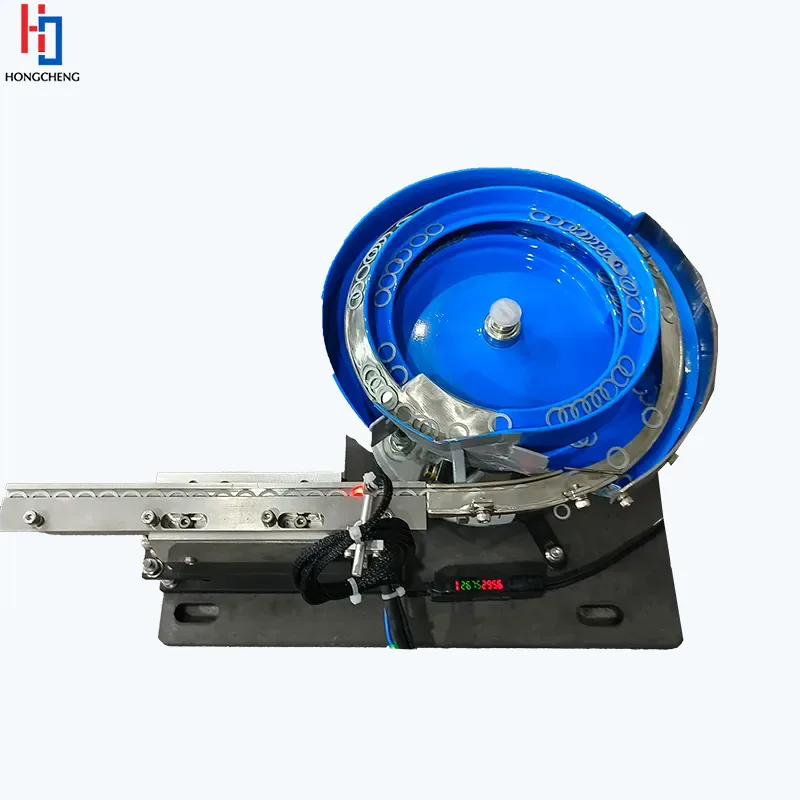
Blue-lined bowl feeder with ring-shaped components and a linear outfeed track.
Representative connector feeder. Production tooling, coatings, sensing and final presentation are developed around the actual component family.
Direct answer

Automotive component orientation systems take loose manufactured parts, establish the required pose, verify selected features and present each accepted component to assembly, testing or packing automation.

Component families and typical tasks.

Applications can include clips, electrical connectors, terminals, seals, washers, inserts, springs, retainers, fasteners and moulded housings. Orientation may use a head, flange, key, barb, aperture, colour or asymmetric moulded feature.

Engineering risks to assess.

  • Closely related left/right or colour variants
  • Flexible clips that interlock or change shape under load
  • Oily or static-attracting mouldings
  • Burrs, flash and normal supplier variation
  • Critical seating direction at the assembly nest
  • Traceability or reject-image requirements

Mechanical, vision or hybrid?

Stable dedicated parts may suit vibratory or centrifugal orientation. Delicate or varied components may merit step or flexible feeding. Vision can confirm key presence, leading face, colour, code or geometry before release.

Acceptance planning.

Include every current supplier and mould tool where variation matters. Test the agreed production mix, normal replenishment, back-pressure and fault recovery while measuring accepted components at the final hand-off.

Practical answers

Common questions

Can a feeder distinguish left-hand and right-hand automotive parts?

Yes, if the distinguishing feature can be presented to mechanical tooling, a sensor or a controlled camera view. Both variants and boundary samples should be included in trials.

Can oily components be bowl fed?

Potentially. Oil changes friction and can collect contamination, so the production surface condition, cleaning method and material compatibility should be assessed during trials.

Can orientation integrate with a press or assembly machine?

Yes. The final track, escapement, nest and controls handshake can be developed around the press or assembly cycle, available access and safety requirements.

Start with the component

Show us the part and the condition your machine needs.

Send photographs or drawings, representative variants, required orientation, target sustained rate and the downstream interface. We will identify the most suitable next engineering step.

Call 01844 617223Send component details