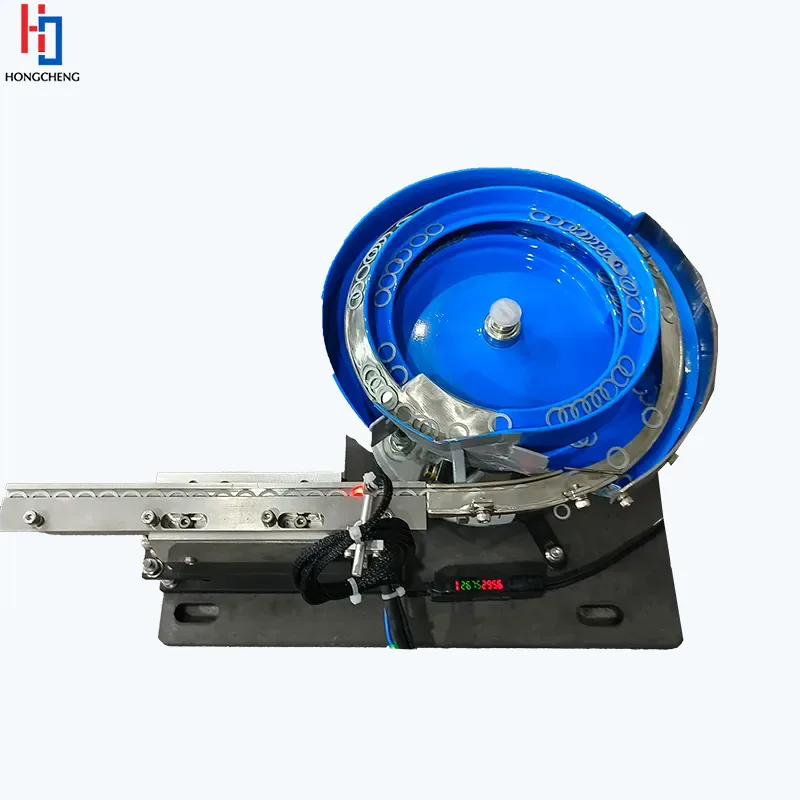
Component families and typical tasks.
Applications can include clips, electrical connectors, terminals, seals, washers, inserts, springs, retainers, fasteners and moulded housings. Orientation may use a head, flange, key, barb, aperture, colour or asymmetric moulded feature.
Engineering risks to assess.
- Closely related left/right or colour variants
- Flexible clips that interlock or change shape under load
- Oily or static-attracting mouldings
- Burrs, flash and normal supplier variation
- Critical seating direction at the assembly nest
- Traceability or reject-image requirements
Mechanical, vision or hybrid?
Stable dedicated parts may suit vibratory or centrifugal orientation. Delicate or varied components may merit step or flexible feeding. Vision can confirm key presence, leading face, colour, code or geometry before release.
Acceptance planning.
Include every current supplier and mould tool where variation matters. Test the agreed production mix, normal replenishment, back-pressure and fault recovery while measuring accepted components at the final hand-off.