UK support for component orientation, inspection & presentation projects

Planning resources

Component orientation technical guides.

Use practical engineering questions to build a stronger application brief and compare proposed feeding methods.

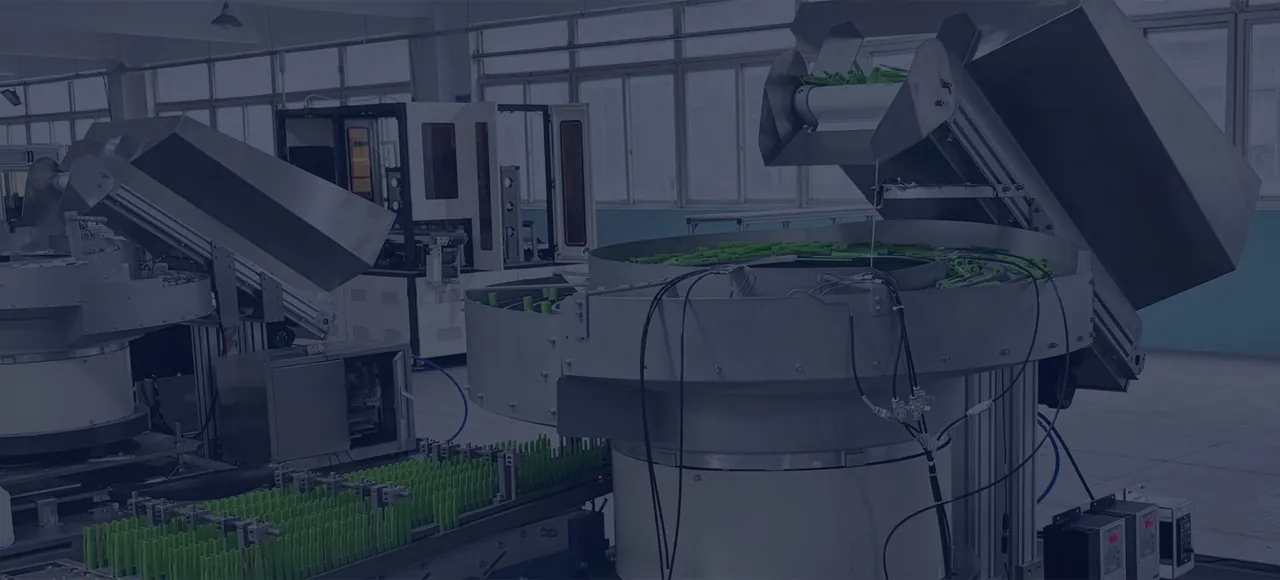
Bowl feeders and hopper elevators with green components on the feeding line.
Good selection considers the whole feed path and receiving process, not only the orientation device.
Direct answer

The safest route to a component orientation system is to define the accepted hand-off, assess real part behaviour, model sustainable output and agree the acceptance test before manufacture.

Build the evidence before requesting a fixed solution.

The pages below explain the information that changes feeder selection and the trade-offs between common technologies.

How to specify a component orientation system

Capture parts, orientation, output, interface, trials and acceptance in one useful brief.

Open the checklist

Bowl feeder or flexible feeder?

Compare fixed mechanical tooling with camera-guided robotic presentation.

Read the comparison

Component orientation FAQs

Straight answers about trials, speed, variants, vision and integration.

Read common questions

Discuss your component

Use the application form to send the facts needed for a first technical review.

Start an assessment

Useful first evidence.

  • Annotated photographs showing the required orientation
  • A drawing and component variant matrix
  • Representative production samples
  • A short video of current bulk handling or assembly
  • The receiving machine layout and control sequence
  • Known good, reject and boundary samples for vision tasks

Practical answers

Common questions

What information makes a useful feeder enquiry?

Provide component photographs or drawings, representative parts, dimensions, material and finish, required orientation, sustained accepted rate, variants, available space and the receiving machine interface.

Why are production samples needed?

Samples reveal friction, flexibility, static, nesting, tangling, marking and manufacturing variation that drawings cannot fully predict.

What should a factory acceptance test include?

It should use the agreed component set and production conditions to test sustained accepted output, orientation, changeover, normal replenishment, interventions, reject handling and hand-off.

Start with the component

Show us the part and the condition your machine needs.

Send photographs or drawings, representative variants, required orientation, target sustained rate and the downstream interface. We will identify the most suitable next engineering step.

How should the required component orientation be described?

Use a drawing or clear images to show the accepted position at the handover point and the alternatives that must be rejected or corrected. Identify features that can be used for orientation and any surfaces that must remain unmarked. Confirm the presentation with the receiving assembly or inspection process.

Related guidance: Specification checklist · Presentation

Call 01844 617223Send component details