UK support for component orientation, inspection & presentation projects

Application engineering

Medical component orientation.

Develop controlled feeding and presentation for medical mouldings, closures and device parts with defined contact, cleanability and acceptance requirements.

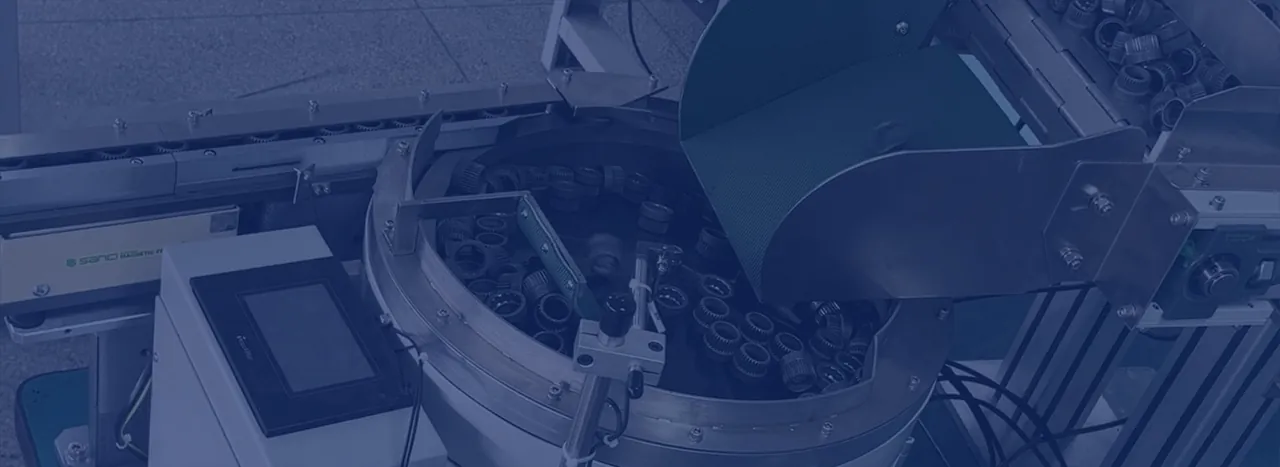
Ring-shaped components in a circular feeder bowl beneath a supply hopper.
Material choice, access for cleaning and component contact surfaces are agreed around the production environment and validation scope.
Direct answer

Medical component orientation systems are application-engineered to handle production parts with controlled contact, repeatable presentation, selected inspection and documented acceptance criteria.

Define the environment before selecting the feeder.

The required materials, surface finish, cleanability, product contact control and documentation depend on the component and production area. General industrial equipment should not be assumed suitable for a controlled environment without a specific review.

Typical component considerations.

  • Small mouldings, caps, plungers, closures and device parts
  • Cosmetic damage or particulate sensitivity
  • Component variants with subtle geometry differences
  • Orientation before assembly, inspection or sterile barrier packing
  • Controlled reject containment and line-clearance needs
  • Challenge samples and documented acceptance tests

Inspection and verification.

Vision or sensors can check orientation, presence, selected geometry and assembly features that are objectively visible. The detectable boundary, challenge method and handling of rejects should be agreed before manufacture.

Documentation and acceptance.

The project can define functional specifications, test protocols and records appropriate to the agreed scope. Any validation, material certification or site standard required by the user must be identified during specification.

Practical answers

Common questions

Can a component feeder be supplied for a clean area?

Potentially, subject to the required environment, materials, finishes, lubrication, access and cleaning method. These requirements must be defined before equipment selection.

Can reject parts be contained?

Yes. The reject method can include enclosed bins, confirmation sensors, interlocks and defined access, depending on the assessed production risk.

Can acceptance tests use challenge samples?

Yes. Known good, reject and boundary samples can form part of a repeatability and challenge test agreed before manufacture.

Start with the component

Show us the part and the condition your machine needs.

Send photographs or drawings, representative variants, required orientation, target sustained rate and the downstream interface. We will identify the most suitable next engineering step.

Call 01844 617223Send component details