UK support for component orientation, inspection & presentation projects

Component orientation FAQ

Component orientation questions.

Practical answers about selecting, proving and integrating component feeding, inspection and presentation systems.

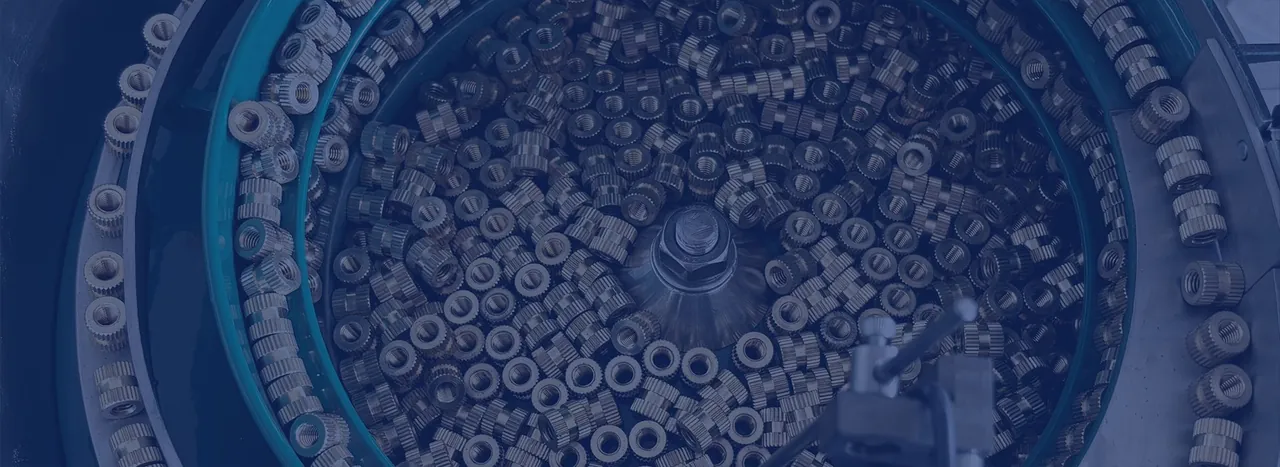
Threaded ring-shaped metal components in a circular feeder bowl.
Representative component feeding technology. Application trials determine the final tooling and operating envelope.
Direct answer

The right orientation method is established from the actual part, accepted hand-off, sustainable output and production conditions—not from a generic feeder speed.

Use these answers as a starting point.

Every production part behaves differently. The guidance below helps define the application, but final suitability, safeguarding and performance must be confirmed for the actual component, process and site.

For a project-specific response, send photographs or drawings, representative parts, the required orientation, target sustained rate and receiving machine details.

Practical answers

Frequently asked questions

What is component orientation?

Component orientation is the controlled process of taking loose or randomly arranged parts and presenting them in a defined position, direction and spacing for assembly, inspection, robotic picking or packing.

Which feeder type is best for my component?

The choice depends on geometry, centre of gravity, friction, nesting, surface sensitivity, required orientation, sustainable rate, format range and the hand-off to the receiving machine. Representative parts are normally the safest basis for selection.

Can orientation and inspection be combined?

Yes. Mechanical tooling can establish a stable position and a camera or sensor can verify orientation, presence, variant or selected visible defects before the accepted part is released.

Can a system feed several component variants?

Potentially. Compatible variants may use adjustable tooling, change parts or vision-guided flexible feeding. Every variant should be included in the review and acceptance plan.

How should output be specified?

Define output as sustained accepted parts at the agreed discharge condition over a stated test period, including normal replenishment and clearly defined interventions.

Can the system integrate with an existing machine or robot?

Yes. The project scope can include mechanical interfaces, buffering, sensors, PLC or robot handshakes, guarding, reject confirmation and commissioning, subject to a controls and site review.

What samples should I send for a vision task?

Provide known good parts, every known defect or incorrect orientation, and boundary samples that show the smallest acceptable and rejectable features across normal colour and finish variation.

Can incorrectly oriented parts be recirculated?

Often, but recirculation must not damage, contaminate or destabilise the parts. Some risks require controlled rejection or line stop instead.

What is a hybrid component orientation system?

A hybrid system combines mechanical handling with sensing, machine vision or robotics—for example a bowl feeder followed by a camera check and controlled escapement.

Can an NDA be arranged before samples are sent?

Yes. A confidentiality agreement can be reviewed before detailed drawings, samples or process information are exchanged.

Start with the component

Show us the part and the condition your machine needs.

Send photographs or drawings, representative variants, required orientation, target sustained rate and the downstream interface. We will identify the most suitable next engineering step.

Call 01844 617223Send component details